Dam/Dcm Methylation in E. coli: How It Blocks Restriction Enzymes & Fixes
Which E. coli enzymes are blocked by Dam/Dcm methylation
Introduction:
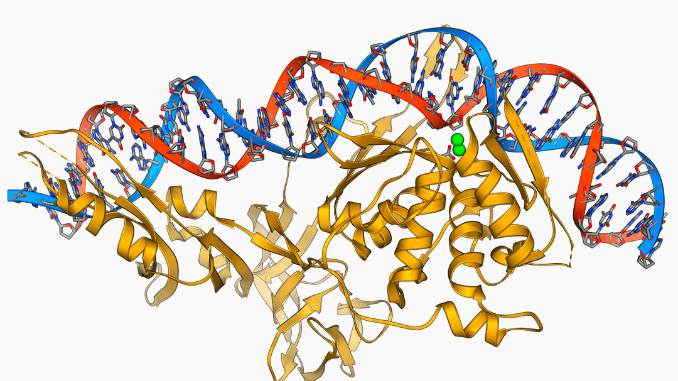
Ever struggled with a restriction enzyme that just won't cut your DNA? The culprit might be methylation—specifically, the work of E. coli's Dam and Dcm methylases. These enzymes modify DNA in ways that can block restriction enzymes, leading to failed experiments and frustrating troubleshooting sessions.
In this guide, we'll explore:
- How Dam and Dcm methylation works in E. coli
- Why some restriction enzymes fail to cut methylated DNA
- How to bypass methylation issues using dam-dcm- competent cells
- Best practices for methylation-sensitive cloning and digestion
Let's dive in.
What Are Dam and Dcm Methylases?
Dam (DNA adenine methyltransferase) and Dcm (DNA cytosine methyltransferase) are two key enzymes in E. coli that add methyl groups to DNA:
- Dam methylates the adenine in GATC sequences.
- Dcm methylates the cytosine in CCWGG sequences (where W = A or T).
These modifications are part of the restriction-modification (R-M) system, which protects bacteria from viral DNA. But for molecular biologists, methylation can be a major headache—especially when it interferes with restriction enzyme digestion.
How Methylation Blocks Restriction Enzymes
Not all restriction enzymes are created equal. Some are methylation-sensitive, meaning they won't cut if their recognition site is methylated.
Common Methylation-Sensitive Enzymes
| Enzyme | Recognition Site | Blocked by Dam? | Blocked by Dcm? |
|---|---|---|---|
| EcoRI | GAATTC | ❌ No | ❌ No |
| BamHI | GGATCC | ✅ Yes (if GATC is methylated) | ❌ No |
| MboI | GATC | ✅ Yes (Dam methylation blocks it) | ❌ No |
| Sau3AI | GATC | ✅ Yes (Dam methylation blocks it) | ❌ No |
| EcoRII | CCWGG | ❌ No | ✅ Yes (Dcm methylation blocks it) |
Why Does This Happen?
- Dam methylation alters the DNA structure, preventing some enzymes from binding.
- Dcm methylation can interfere with enzyme recognition, especially in CCWGG sites.
- Some enzymes (like DpnI) require methylation to cut—meaning they only work on Dam-methylated DNA.
Solving Methylation Problems in the Lab
1. Use dam-dcm- E. coli Strains
Most lab E. coli strains (like DH5α, TOP10) are dam+ dcm+, meaning they methylate DNA extensively. If your enzyme is methylation-sensitive, switch to a dam-dcm- strain like:
- JM110
- SCS110
- NEB's ER2925
These strains lack Dam/Dcm methylases, so your DNA stays unmethylated and ready for digestion.
2. Choose the Right Restriction Enzyme
Some enzymes ignore methylation entirely. If you're working with Dam/Dcm+ DNA, consider:
- EcoRI (insensitive to Dam/Dcm)
- HindIII (works regardless of methylation)
- PstI (unaffected by common E. coli methylation)
3. Optimize Digestion Conditions
- Dilute DNA to ≤25% of reaction volume (reduces contaminants that inhibit enzymes).
- Use the correct buffer (e.g., CutSmart Buffer for high-fidelity enzymes).
- Avoid SDS in loading dye if using GelRed/SYBR (stain gels post-electrophoresis instead).
Methylation-Dependent DNA Cleavage: The Flip Side
While most scientists fight methylation, some enzymes need it to work:
- DpnI – Cuts only Dam-methylated GATC (great for removing parental DNA in PCR cloning).
- MspJI – Recognizes mC in CNNR sequences.
These enzymes are powerful tools for specialized applications.
Troubleshooting Failed Digests
If your enzyme isn't cutting, ask:
- Is my DNA methylated? (Check strain and plasmid prep method.)
- Is my enzyme methylation-sensitive? (Consult NEB's methylation sensitivity table.)
- Are buffer conditions optimal? (Salt, pH, and cofactors matter.)
For a full restriction enzyme troubleshooting guide, check NEB's official resources.
Final Thoughts
Understanding Dam/Dcm methylation is crucial for smooth cloning and digestion workflows. Whether you're avoiding methylation or exploiting it (like with DpnI), the right strategy saves time and frustration.
Key takeaways:
- Dam/Dcm+ strains methylate DNA—problematic for some enzymes.
- dam-dcm- strains (like JM110) produce unmethylated DNA.
- Some enzymes (BamHI, MboI) are blocked by methylation; others (DpnI) require it.
- Always optimize digestion conditions (buffer, DNA concentration, incubation time).
Need more help? Drop a comment below—we're happy to troubleshoot with you!
Further Reading
- NEB's Restriction Enzyme Guide
- Choosing the Right E. coli Strain for Cloning
- Methylation-Sensitive vs. Methylation-Dependent Enzymes
Now, go conquer those stubborn digests! 🧬💪


